Santa Cruz Trek Cost: Guided Vs Independent Breakdown (2026)
A line-by-line look at what four days in the Cordillera Blanca costs, guided or on your own, with real 2026 figures in soles and dollars.
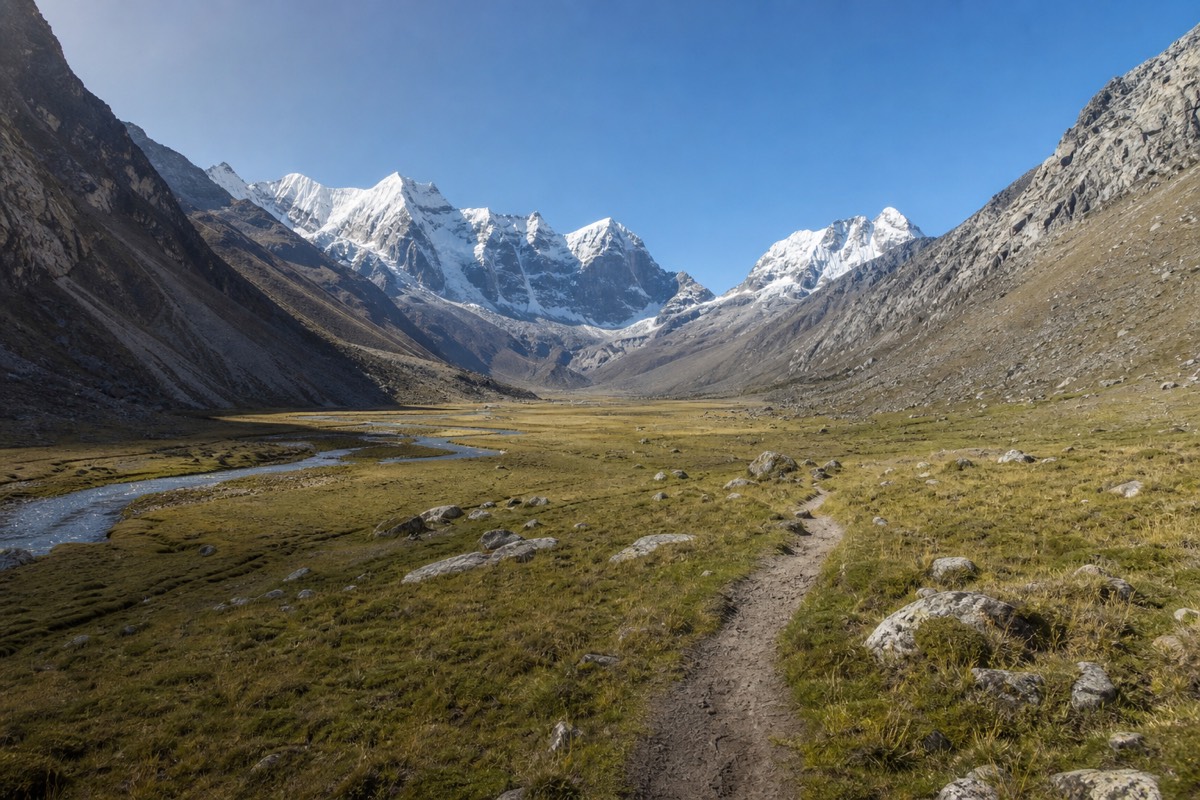
The number that sends people down a research rabbit hole is the spread. You will see the Santa Cruz Trek quoted anywhere from roughly sixty US dollars to well over a thousand, and both figures are true. What separates them is not the trail, which is the same for everyone, but how much of the work you hand to someone else and how much comfort you want along the way.
Keep preparation days separate from the booked itinerary. A supported Santa Cruz crossing combines four days of camps and walking with transport from Huaraz.
Booking Choice: Choose the route, allow time to adjust to altitude, then compare the full quote including excluded fees and personal gear. View Four-Day Santa Cruz Trek
This breakdown puts guided pricing next to a self-guided budget, item by item, in Peruvian soles and US dollars. The figures come from operator listings and from trekker cost reports rather than round guesses, so you can build a plan you can actually pay for. As a quick orientation, the sol has traded near 3.7 to 3.9 to the dollar, so convert with the day's live rate.
The Santa Cruz Trek price ladder (per person, 4 days)
Guided figures from operator listings; independent figures from trekker cost reports and Huaraz rental rates, cross-checked 2026. Convert soles at the day's rate.
What Does The Santa Cruz Trek Actually Cost In 2026?
A self-guided four-day trek can cost as little as around $60 per person if you own your gear, rising to roughly $125 with rentals. Budget shared-group tours run about $120 to $240. The listed supported four-day trip starts from around $390 per person, and a premium private trip with all gear provided reaches about $1,060.
Think of the cost as a ladder rather than a single price. At the bottom sits the fully independent hiker who buys food, pays the park fee, catches public transport, and carries everything. At the top sits the traveller who wants a private guide, a mountain cook, provided sleeping bags and tents, and door-to-door transport. Everyone else lands somewhere between.
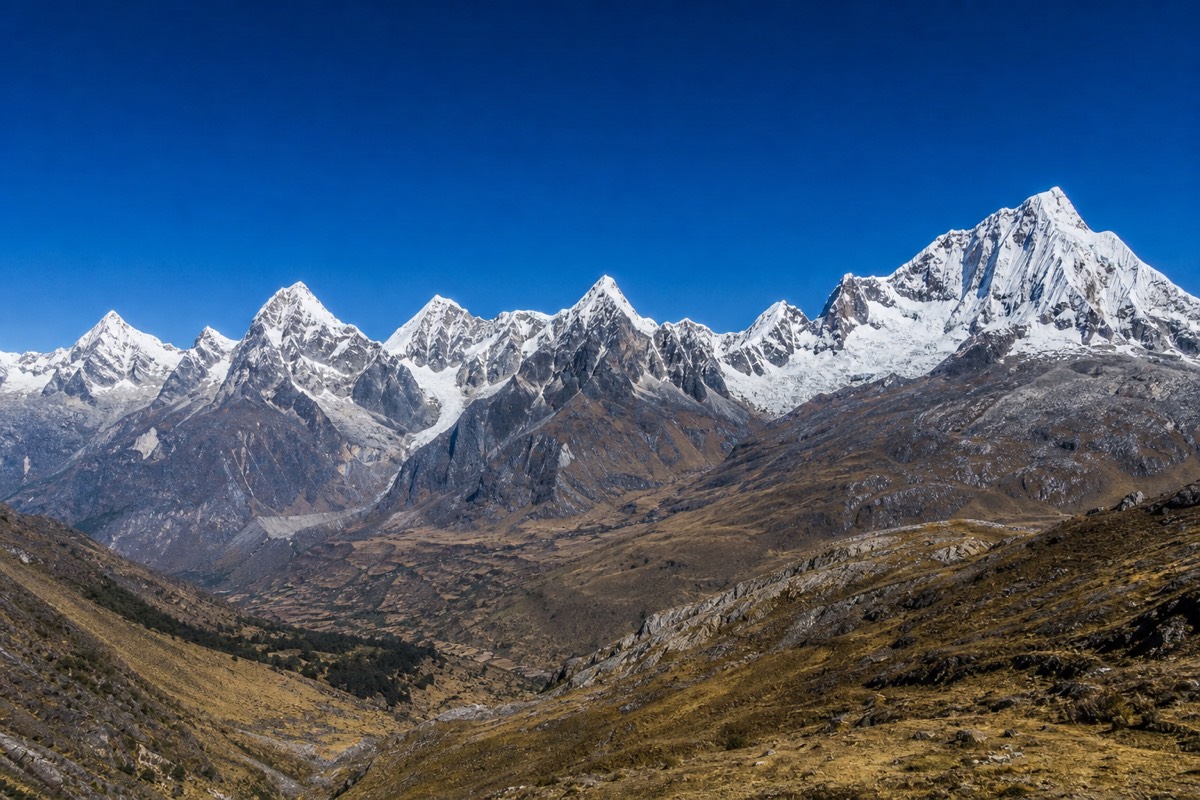
None of these tiers is wrong. They buy different trips. The independent route saves the most money and gives full flexibility, while a guided trip removes the logistics and adds safety, local knowledge, and food cooked fresh at camp. The rest of this guide shows exactly what your money covers at each level, starting with the guided bands and then the line-item independent budget. If you also want to see how this compares to a bigger objective, weigh it against Santa Cruz versus the Huayhuash circuit, which costs far more simply because it lasts far longer.
What Do Guided Santa Cruz Treks Include At Each Price Band?
Cheap group tours cover a shared guide, basic camping, transport, and meals, often in larger groups. Compare the actual crew, equipment and meals in each quote instead of assuming a higher price means better food or a private guide. Premium private trips add provided sleeping bags rated to -5 C, mats, private transport, and a dedicated mountain cook, which is why they cost the most.
Guided prices track the level of service and privacy far more than the trail itself. The lowest quotes, roughly $120 to $240, usually mean a shared group of eight or more, a single guide split across everyone, and a no-frills setup. It works and it is cheap, but the experience is more crowded and less flexible.
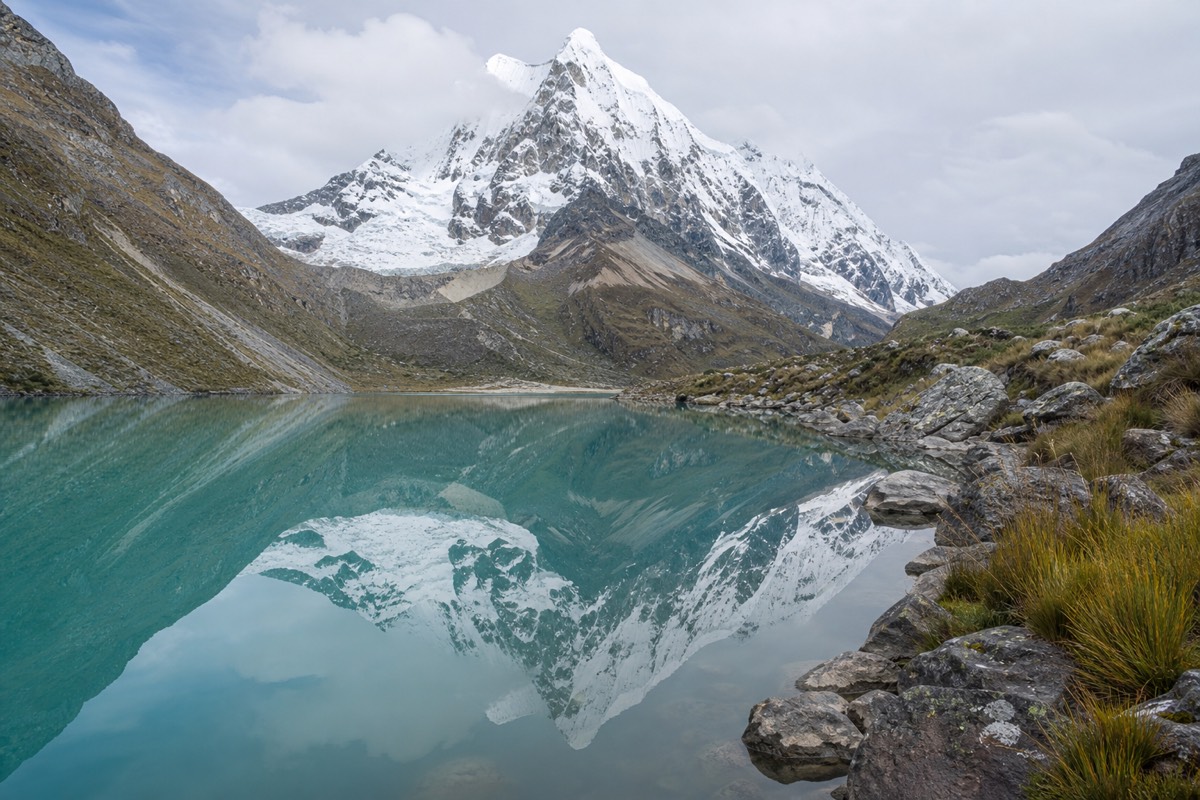
Step up and the trip changes. The guided 4-day Santa Cruz Trek we list starts from around $390 with a local trekking guide, mule support to carry the heavy gear, four lunches, three dinners, three breakfasts, and hostel pickup in Huaraz. At the top, the Santa Cruz Llanganuco trek runs from around $1,060 and adds provided sleeping bags to -5 C, inflatable mats, a dedicated mountain cook, private transport to the trailheads, and vegetarian catering on request. Prices move with season and group size, so treat these as starting figures and check the live listing.
| Price band | Typical price | What it usually covers |
|---|---|---|
| Budget group | $120 to $240 | Shared guide, larger group, basic camping, meals, transport |
| Supported, camp + meals | from around $390 | Guide, listed pack support, 10 meals, downtown Huaraz pickup |
| Private premium | from around $1,060 | All gear incl -5 C bags, mats, mountain cook, private transport |
The honest read is that the higher figure is not a markup on the same trip, it is a different trip with more carried for you. Decide how much you want handled, then match the band.
How Much Does It Cost To Trek Santa Cruz Independently?
Trekking Santa Cruz on your own can cost around 230 soles, about $60, if you already own camping gear, covering the park fee, public transport, trail food, and a night in Huaraz. Add roughly 240 soles for four days of gear rental if you need it, which pushes a fully rented independent trek to about $125 per person.
Independent trekking is genuinely cheap because you cut out wages and privacy. The classic reported figure for a self-supported solo trek is around 230 soles per person when you carry your own tent and sleeping bag, which folds in the park entry, colectivo transport, food bought in Huaraz, and a hostel night. The single biggest add-on for most visitors is gear rental, since few people fly in with a four-season tent and a cold-rated bag.
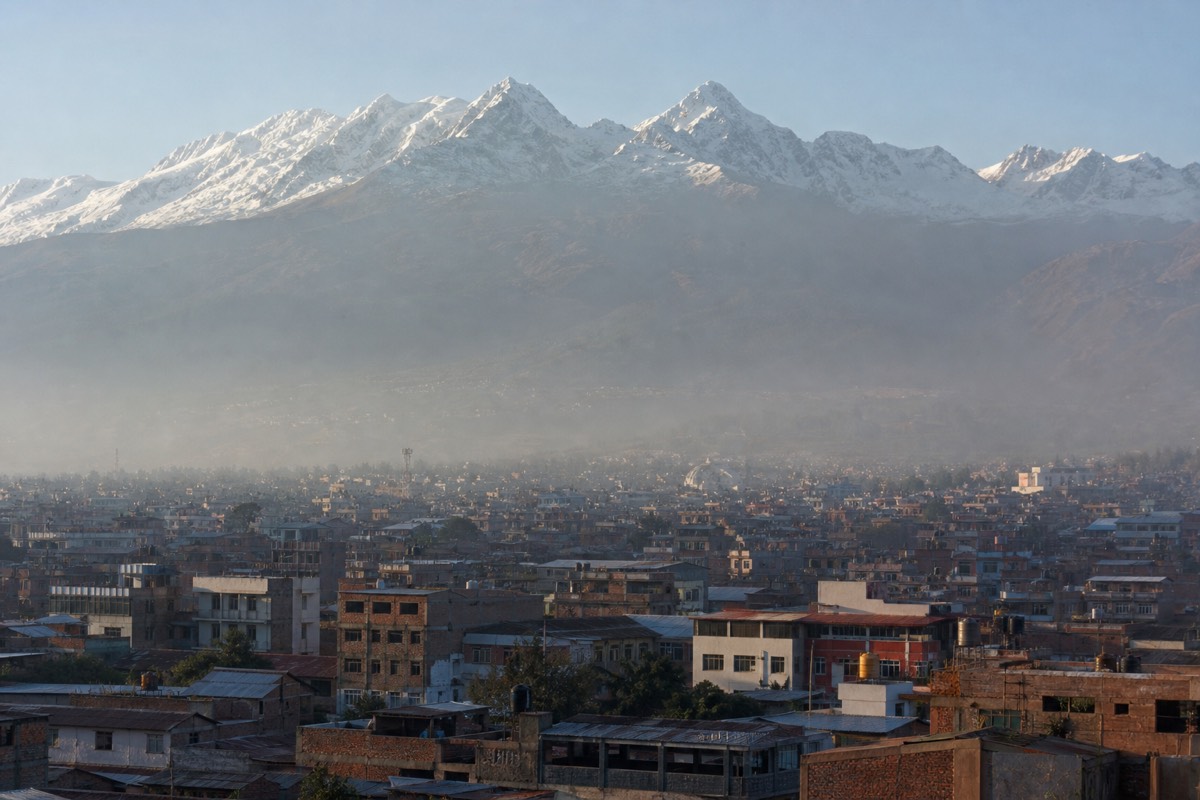
The table below lays out the line items. Treat the food and buffer rows as planning allowances rather than fixed quotes, since they depend on what you buy and how you travel. For a fuller walk-through of doing it self-supported, including permits and camps, see hiking the Santa Cruz Trek without a guide.
| Line item | Cost (PEN) | Cost (USD approx) |
|---|---|---|
| Huascaran NP entry (3-day ticket) | 60 soles | ~$16 |
| Public transport, round trip | ~48 to 68 soles | ~$13 to $18 |
| Trail food for 4 days (self-catered) | ~70 to 120 soles | ~$19 to $32 |
| Hostel night in Huaraz | ~40 to 80 soles | ~$11 to $21 |
| Subtotal, own gear | ~220 to 330 soles | ~$60 to $85 |
| Gear rental (4 days, optional) | ~240 soles | ~$63 |
| Total with rentals | ~460 to 570 soles | ~$120 to $150 |
Two savings levers matter most: whether you rent gear, and whether you split a private transfer or ride public colectivos. Owners of their own kit who take colectivos land at the bottom of the range. First-timers renting everything and hiring a taxi transfer land near the top, which is close to a budget group tour, minus the guide and cooked meals.
What Are The Real Transport Costs To The Trailheads?
Public transport between Huaraz and the trailheads runs roughly 48 to 68 soles per person round trip using colectivos, for example Huaraz to Yungay for 8 soles and Yungay to Vaqueria for 30 soles. A private taxi transfer costs about 200 to 400 soles for the whole vehicle, which is efficient if you split it across a group.
The trek is a traverse, so you start at one trailhead and finish at another. Most people begin at Cashapampa near Caraz and exit at Vaqueria near Yungay, or reverse it. That geography shapes your transport bill, because you are not returning to the same spot you left.
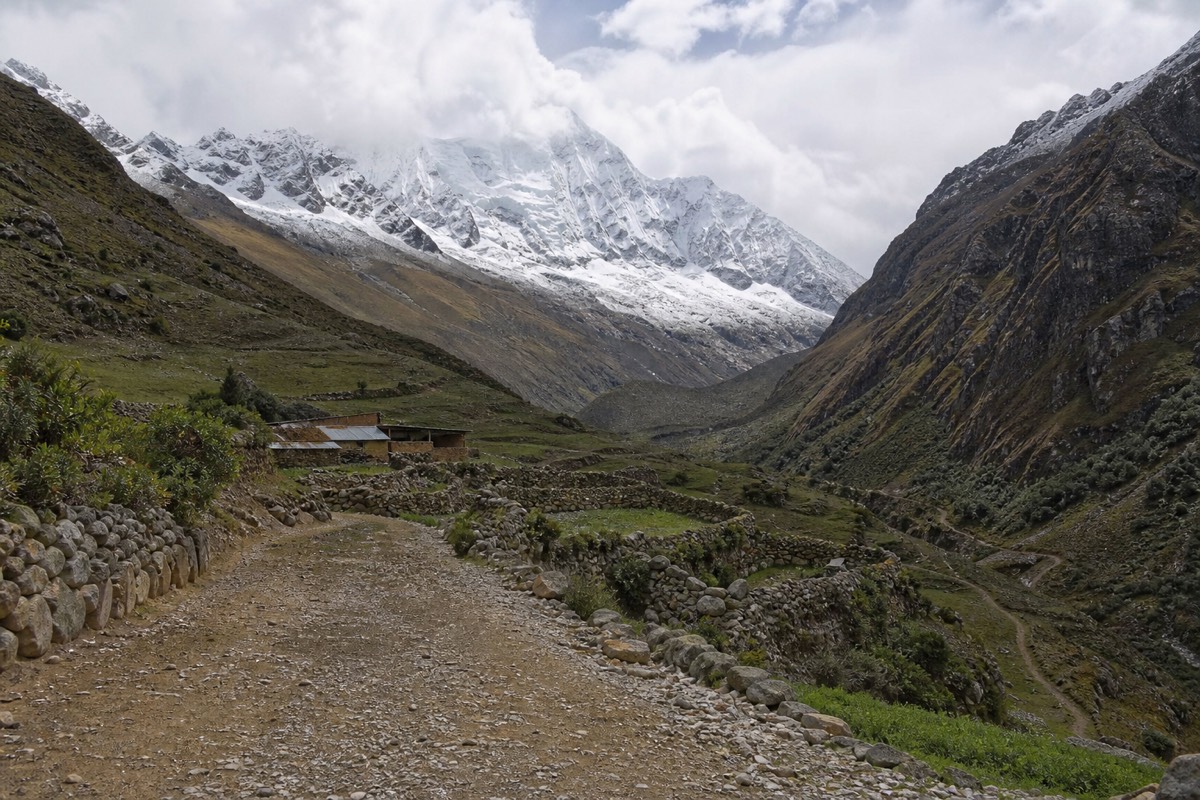
By public transport you chain colectivos: Huaraz to Yungay for about 8 soles, Yungay onward to Vaqueria for about 30 soles, and the equivalent legs on the Cashapampa side, with the run back to Huaraz around 10 soles. Add it up and a round trip sits near 48 to 68 soles per person, at the cost of waiting for full vans and changing vehicles. A private transfer removes all of that for roughly 200 to 400 soles per vehicle, which becomes cheap per head once three or four people share it.
| Transport option | Cost | Trade-off |
|---|---|---|
| Colectivo, per leg | 8 to 30 soles | Cheapest, slower, less flexible |
| Public round trip, per person | ~48 to 68 soles | Good value solo |
| Private taxi transfer, per vehicle | ~200 to 400 soles | Direct, best split by a group |
| Included in guided tour | 0 extra | No planning, fixed schedule |
Guided trips fold transport into the price, which is one quiet reason the guided-versus-independent gap is smaller than the headline numbers suggest once a solo traveller pays for taxis both ways.
What Does Gear Rental Cost In Huaraz?
Full gear rental in Huaraz runs about 60 soles per person per day, so roughly 240 soles for a four-day trek, covering tent, sleeping bag, and mat. Renting by the item is possible too, for example a personal tent at about 30 soles per day. Huaraz has many rental shops, so compare a couple before you commit.
Huaraz is a mountain town built around trekking, so rental is easy and competitively priced. A common figure is around 60 soles per person per day for a package that covers the heavy essentials you would not want to fly with. Over the standard four-day trek that lands near 240 soles, the single largest optional cost in an independent budget.
If you already own some kit, rent only the gaps. Cold-rated sleeping bags and four-season tents are the usual rentals, while trekking poles, headlamps, and layers are things most hikers bring. Check zippers, pole sets, and the temperature rating before you leave the shop, because nights at the high camps drop below freezing and a thin bag is a miserable, and potentially unsafe, economy.
| Rental item | Typical cost | Notes |
|---|---|---|
| Full package per person | ~60 soles/day | Tent, bag, mat bundled |
| Personal tent | ~30 soles/day | Rent solo if you own a bag |
| Sleeping bag (cold-rated) | Shop-dependent | Confirm the comfort rating |
| Sleeping mat | Shop-dependent | Insulation matters at altitude |
| Four days, full rental | ~240 soles | ~$63 per person |
How Much Should You Budget For The Park Fee, Arriero And Mule?
The Huascaran National Park fee for foreigners is 30 soles for one day, 60 soles for two to three days, and 150 soles for four to thirty days, paid in cash at the ranger station. Hiring an arriero and pack donkeys is optional on the four-day route and is arranged at the trailhead or through a Huaraz agency; agree the daily rate in advance and carry cash.
The park fee is fixed and non-negotiable, and it is one of the few costs you cannot skip. Rangers collect it in cash at the entry post, so bring the exact amount in soles. For the standard four-day traverse the two-to-three-day ticket at 60 soles is the usual buy, and it is valid across your trek days. The fee funds the protected-area authority, SERNANP, which manages Huascaran National Park.
Pack support is where independent budgets vary most. Many people walk the four-day route carrying their own gear and never hire an arriero. If you would rather have donkeys carry the weight, you hire an arriero with pack animals either at Cashapampa or through a Huaraz agency. Rates shift year to year and are agreed locally, so the honest advice is to confirm the current daily figure before you set out and carry the full amount in cash rather than assume an old published number. This is exactly the kind of support a guided trip bakes into its price.
| Fee or service | Cost | How you pay |
|---|---|---|
| Park entry, 1 day | 30 soles | Cash at ranger station |
| Park entry, 2 to 3 days | 60 soles | Cash, standard for 4-day trek |
| Park entry, 4 to 30 days | 150 soles | Cash, for longer trips |
| Arriero + donkeys | Daily rate, confirm locally | Cash, agreed in advance |
How Much Should You Tip, And How Does Cash Work In Soles?
On a guided trek, budget roughly 100 to 200 soles per trekker in total tips for the guide, cook, and muleteer combined, adjusted for group size and service. The Cordillera Blanca runs largely on cash, so carry soles in small notes for the park fee, transport, tips, and trailhead extras, and draw money in Huaraz before you leave.
Tipping is customary but not fixed on guided trips. A common planning figure is around 100 to 200 soles per person spread across the mountain team, handed over at the end of the trek. Larger groups can tip a little less per head since the pool is bigger, and outstanding service naturally earns more. It is discretionary, so treat these as norms rather than rules.
Cash is the practical thread through the whole budget. The ranger station, colectivos, arrieros, tips, and small trailhead purchases all want soles, and card acceptance is thin once you leave the town centre. Huaraz has ATMs, so withdraw what you need before the trek and split it into small notes, since breaking a large bill at a trailhead is rarely possible. If you are stacking day hikes before the trek, factor those into your cash too; the plan in acclimatizing in Huaraz before the trek adds its own small transport and entry costs.
What Extra Costs Catch Trekkers Out?
The classic surprises are the things not bundled into a headline price: the first day's breakfast and water, personal snacks, travel insurance, extra hotel nights in Huaraz, a single-tent supplement if you want privacy, and small charges for laundry or phone use. None is large alone, but together they can add 50 to 150 soles or more to a trek.
Read any tour inclusion list closely and you find a short column of exclusions that quietly become your costs. On the listings we feature, that column typically includes the first-day breakfast and water, extra warm clothing you did not bring, personal snacks beyond the provided meals, and international travel insurance, which you should carry anyway for a high-altitude trek. Tips for the mountain team sit here too, since they are customary and not built into the base price.
Independent trekkers meet their own version of this. Buying two litres of water and breakfast in Huaraz the night before, stocking trail snacks for altitude hunger, and keeping a cash buffer for the unexpected all add up. A single-tent supplement, often around 30 soles per day or a set fee, applies if you want a tent to yourself rather than sharing. The fix is simple: read the exclusions before you book, and pad your cash accordingly.
| Often not included | Typical extra | Applies to |
|---|---|---|
| First-day breakfast and water | ~10 to 20 soles | Guided and independent |
| Personal snacks | ~20 to 50 soles | Everyone |
| Travel insurance | Trip-dependent | Everyone (carry it) |
| Single-tent supplement | ~30 soles/day or set fee | Guided, for privacy |
| Extra Huaraz hotel nights | ~40 to 80 soles/night | Acclimatization days |
| Laundry, phone, extras | Small, cash | Everyone |
Building an allowance for these into your plan keeps the final bill from creeping past what you budgeted, whichever way you trek.
How Can You Cut The Cost Without Cutting The Experience?
The biggest levers are sharing and timing. Split a private taxi transfer across three or four people, share rented gear and a tent, travel in the shoulder months for better rates, and gather a small group so a private guided trip's per-head price drops. Booking direct with the operator and carrying your own light gear trims the rest.
Most of the savings on this trek come from spreading fixed costs, not from skimping. A private transfer that looks expensive as a solo traveller becomes cheap once four people share the vehicle, and the same logic applies to a private guide: a small group of friends pays far less per person than one or two people booking the same private trip. If you are travelling alone and want the guided experience, joining a set-departure group is the natural way to keep the price down.
Timing helps too. The shoulder months on either side of peak season often bring softer prices and quieter trails, while still falling inside the dry window. Owning or bringing your own lightweight gear cuts the rental line entirely, and self-catering the trail food shaves more if you are going independent. What is not worth cutting is the safety margin: a cold-rated sleeping bag, adequate acclimatization days, and travel insurance are the wrong places to economise on a 4,750-metre pass. For the deeper trade-off between doing it alone or with support, weigh this against Santa Cruz versus the Huayhuash circuit, where the cost gap is driven purely by length.
Guided Or Independent: Which Is The Better Value For You?
Independent trekking wins on price and flexibility if you have your own gear, some altitude experience, and time to sort logistics. Guided wins on value once you factor renting gear, paying for private transfers, and wanting safety, cooked meals, and local knowledge, especially for first-timers, solo travellers, and anyone short on planning time.
Run the two side by side and the decision gets clearer. A confident, gear-owning trekker who is happy with colectivos and self-catering will always spend less alone, and gains the freedom to set their own pace. That is a real and rewarding way to do this trek, and plenty of people love it.
For many others the guided figure is closer to fair value than it first looks. Once a solo visitor rents a tent and bag, hires taxis both ways, and buys food, the independent cost climbs toward the budget-tour price, without the guide, the cook, or the mule that carries the load over the pass. Add the safety margin of a professional on a 4,750-metre pass where weather turns fast, and the case for a guided trip strengthens for first-timers. Weigh your own gear, experience, and time against the tables above, and if the logistics feel like more than you want to shoulder, a private trip with the mountain work handled is the straightforward answer.
| Factor | Independent | Guided |
|---|---|---|
| Lowest cost | Yes (own gear) | No |
| Flexibility of pace | Full | Fixed itinerary |
| Logistics effort | High | None |
| Safety support at altitude | You carry it | Professional guide |
| Meals cooked at camp | No | Yes |
| Best for | Experienced, gear-owning trekkers | First-timers, solo, time-poor |
Whichever way the numbers point for you, the trek is a strong-value trip by any measure. It is one of the cheapest routes in the world to stand among 6,000-metre peaks, and the price of doing it well, guided or not, is modest against the reward.